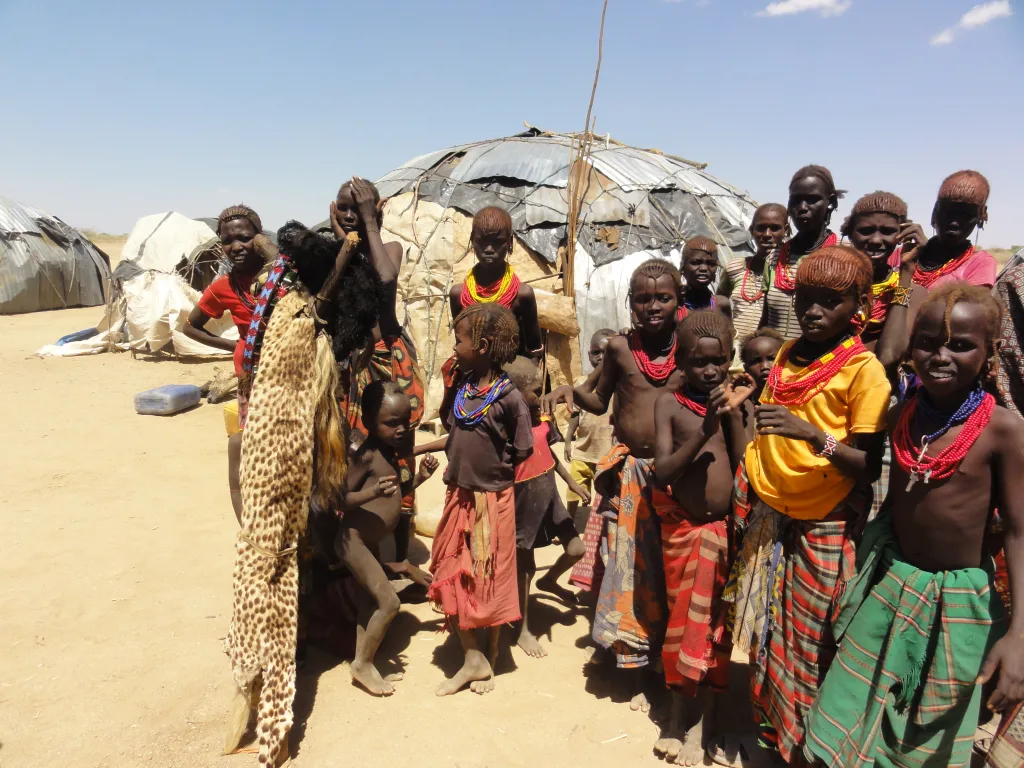
Northern Kenya’s Marsabit and Turkana regions are often overlooked in favor of the more accessible Masai Mara or Amboseli, but that’s precisely what makes them irresistible for intrepid travelers. These areas aren’t just remote—they’re a living museum of human history and resilience. The tribes here, like the Gabra, Turkana, Dassanach, and the elusive El Molo, have adapted to some of the harshest environments on Earth, preserving traditions that date back centuries. Visiting them isn’t tourism; it’s a chance to witness and support communities that live in harmony with nature, far from the influences of modernity.
Then there’s the science. Lake Turkana, dubbed the “Cradle of Humankind,” is a UNESCO World Heritage site for good reason. The Turkana Basin has yielded fossils that span millions of years, including pivotal discoveries like the Turkana Boy skeleton and ancient hominin footprints. Institutions like the Turkana Basin Institute (TBI) and sites in Sibiloi National Park are hubs for international researchers studying paleoanthropology, archaeology, and geology. Traveling here means stepping into active dig sites where new finds could emerge at any moment, offering a front-row seat to humanity’s origins. In an era of climate change and biodiversity loss, these regions also highlight critical research on environmental adaptation and conservation, making your journey not just educational but impactful.
For those craving authenticity, the isolation fosters a sense of primordial adventure. You’ll traverse deserts that feel otherworldly, spot rare wildlife and migratory birds, and experience sunsets that paint the sky in hues of fire. This tour isn’t for the faint-hearted—expect long drives and basic accommodations—but the rewards are unparalleled: cultural immersion that supports local economies, scientific enlightenment that sparks wonder, and landscapes that remind us of our place in the grand timeline of life.
Day-by-Day: Unveiling the Secrets of the North
Day 1: Arrival in Nairobi – Gearing Up for the Unknown
Your adventure begins in vibrant Nairobi, Kenya’s bustling capital. Use this day to acclimate, stock up on essentials, and perhaps explore the city’s markets or museums for a taste of Kenyan culture. It’s the perfect prelude to the remote wilderness ahead, where modern conveniences fade into the horizon.
Day 2: The Road to Marsabit – Entering the Frontier
Buckle up for a full day of driving north to Marsabit, with strategic breaks to stretch your legs and soak in the changing scenery. As you ascend into the highlands, the air cools, and acacia-dotted plains give way to volcanic craters. Marsabit National Park, with its misty forests and elephant herds, sets the tone for the untamed beauty to come. This leg builds anticipation, reminding you that the best journeys unfold slowly.
Day 3: Chalbi Desert and the Gabra People – Nomadic Life in the Sands
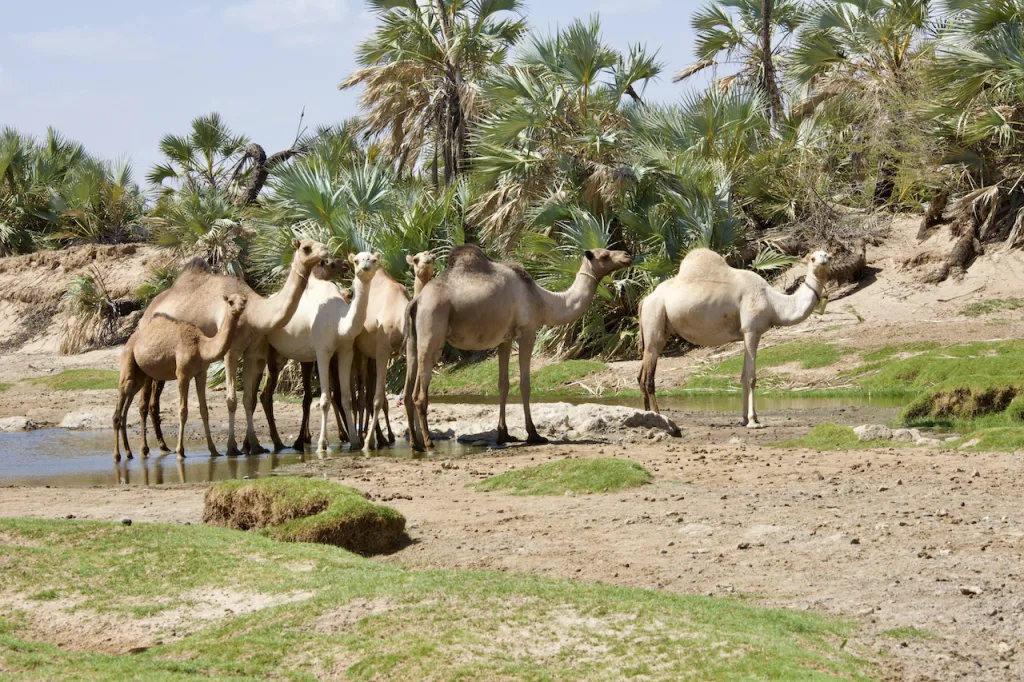
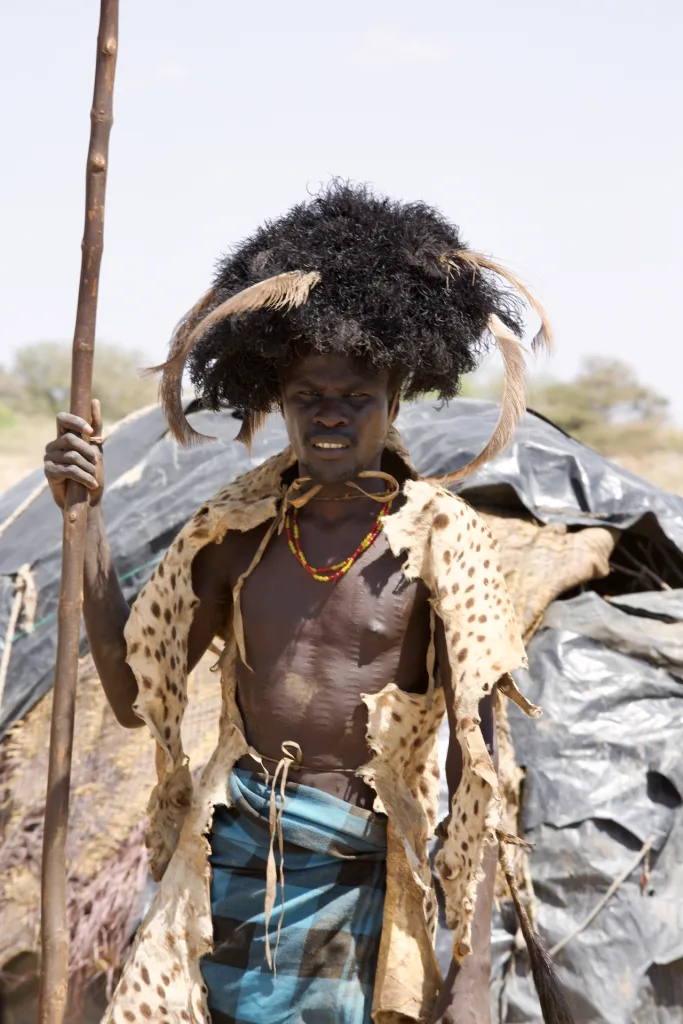
The Chalbi Desert is a stark, mesmerizing expanse of salt flats and oases, where mirages dance under the sun. Here, you’ll encounter the Gabra community, semi-nomadic herders renowned for their camel caravans and intricate oral traditions. Watch as they water their camels at ancient wells, a ritual that underscores their deep bond with the land. The Gabra’s resilience in this arid environment is inspiring—visiting them supports their sustainable practices and offers a glimpse into a lifestyle that’s increasingly rare. End the day in Kalacha at the Missions Guesthouse, where the desert’s tranquility lulls you to sleep.
Day 4: North Horr to Lake Turkana – Crossing the Desert Threshold
Push deeper into the Chalbi, arriving at the emerald waters of Lake Turkana, the world’s largest desert lake. This jade giant sustains life in an otherwise barren realm, home to massive Nile perch and crocodiles. Your destination, Ileret, feels like the edge of the world—a remote outpost on the lake’s eastern shore. Overnight at the mission station, reflecting on the day’s intense drive through landscapes that test human endurance.
Day 5: Turkana Basin Institute – Delving into Human Origins
A highlight for science enthusiasts: a visit to the Turkana Basin Institute (TBI) in Ileret. This world-class facility is ground zero for paleoanthropological research, where experts from around the globe unearth fossils that trace human evolution back millions of years. Learn about discoveries like the 1.5-million-year-old footprints at nearby sites, which reveal how our ancestors walked upright and adapted to changing climates. TBI staff share stories of ongoing excavations, emphasizing that much of the basin remains unexplored—future finds could revolutionize our evolutionary narrative. Amid the lake’s dramatic backdrop, this experience blends intellectual thrill with a profound sense of connection to our prehistoric past.
Days 6-7: Sibiloi National Park – Fossils, Forests, and the Cradle’s Heart
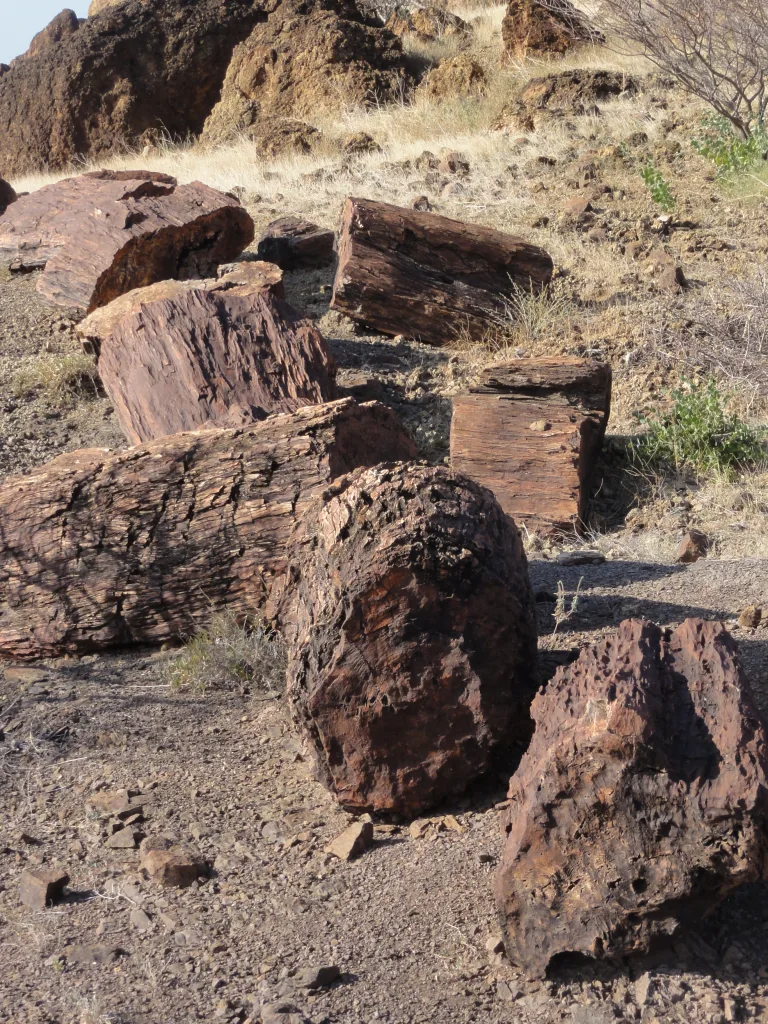
Enter Sibiloi National Park, a rugged paradise on Lake Turkana’s shores. Focus on the petrified forest, a surreal collection of fossilized trees from ancient rainforests, preserved through millennia of mineralization. Discovered in the 1970s, it’s a testament to the region’s geological drama. The park is encircled by vibrant communities like the Turkana and Dassanach.
On Day 7, dive deeper into Koobi Fora, the epicenter of paleontological breakthroughs. This site has produced over 300 hominin fossils, including Richard Leakey’s famous skull finds, alongside remains of prehistoric megafauna. Researchers here study Earth’s crustal movements and mammalian evolution over a period of four million years, with vast, unexplored areas promising further revelations.
Day 8: Journey to Loyangalani – A Timeless Frontier Town
The drive to Loyangalani evokes a bygone Africa, as described by travel writers: windswept, hot, and utterly primal. This oasis town, inspiration for John le Carré’s The Constant Gardener, buzzes with a raw energy. Settle into the Palm Shade Hotel, where the lake’s breezes offer respite.
Day 9: The El Molo and Desert Museum – Cultural Gems of the Lake
Meet the El Molo, one of the world’s smallest tribes, numbering just a few hundred. Living on Lake Turkana’s shores, they’re entirely lake-dependent, fishing with handmade harpoons and crafting goods from local materials. A boat trip to their village allows you to purchase artisanal items, directly boosting their economy and preserving their heritage. In the afternoon, the Desert Museum explores the region’s 14 nomadic tribes, including the El Molo’s neighbors. Cap it off with a lakeside sunset, where the water mirrors the sky’s fiery palette— a moment of pure serenity.
Day 10: From Loyangalani to Maralal – Landscapes in Transition
This scenic drive shifts from volcanic deserts to greener highlands, passing nomadic herders and panoramic valleys. Arriving in Maralal, the Samburu heartland, provides a cooler, cultural contrast. Rest at Ngari Hill Eco Lodge, rejuvenated by the journey’s evolving vistas.
Days 11-12: Laikipia and Ewaso Enclave – Wildlife and Community Harmony
Transition to Laikipia County, a biodiversity hotspot with private conservancies offering intimate safaris. Spot rarities like black leopards, Grevy’s zebras, and wild dogs amid elephants and big cats. What sets it apart? Community-driven conservation with Maasai, Samburu, and Turkana locals, ensuring your visit aids anti-poaching and sustainable projects.
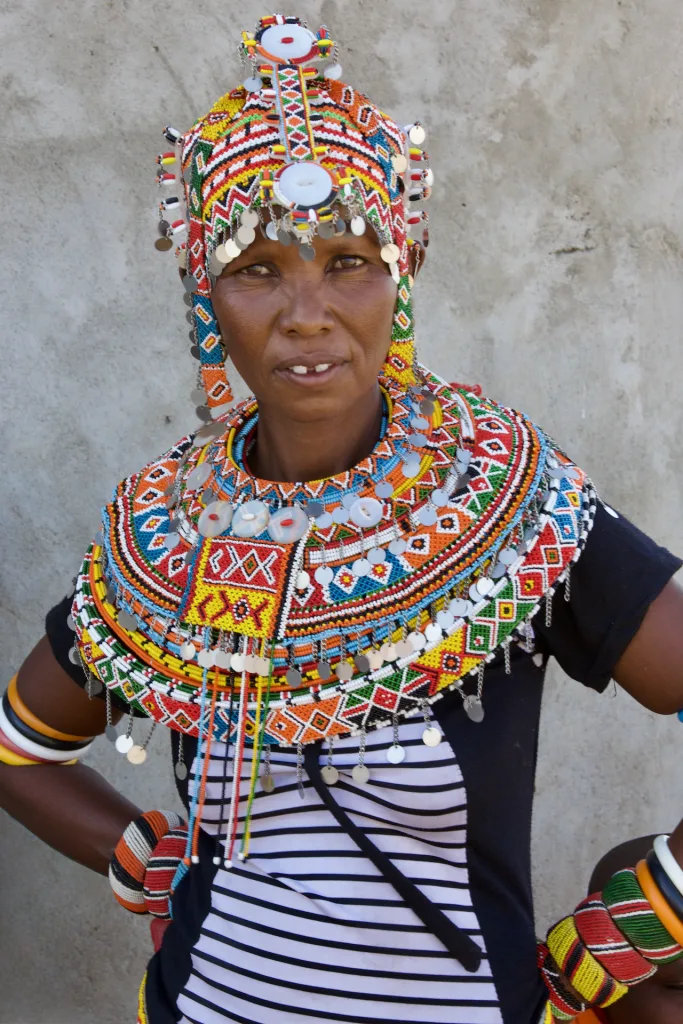
At Ewaso Enclave Conservancy, authenticity reigns. Engage in wildlife tracking, guided nature walks, bush survival training, beadwork with Maasai women, and stargazing under pristine skies. The “Singing Wells” ritual, where warriors chant while watering cattle, is a cultural highlight. This enclave embodies sustainable tourism, blending adventure with meaningful impact.
Day 13: Return to Nairobi – Reflections on the Road Less Traveled
Your driver escorts you back to Nairobi’s airport, leaving you with memories that linger. This tour isn’t just travel—it’s a bridge to our shared human story.
Marsabit and Turkana beckon those who yearn for depth over dazzle. By journeying here, you’ll support indigenous tribes like the El Molo, whose survival is intertwined with the lake’s bounty, and contribute to scientific endeavors unraveling our evolutionary puzzle. In a world of fleeting experiences, this safari offers enduring insights into culture, paleontology, and the human spirit. Ready to trace your roots in the Cradle of Humankind? Contact us to book your spot—spaces in these remote realms fill fast.





 +254-722-338 514
 +254-702-183 169