
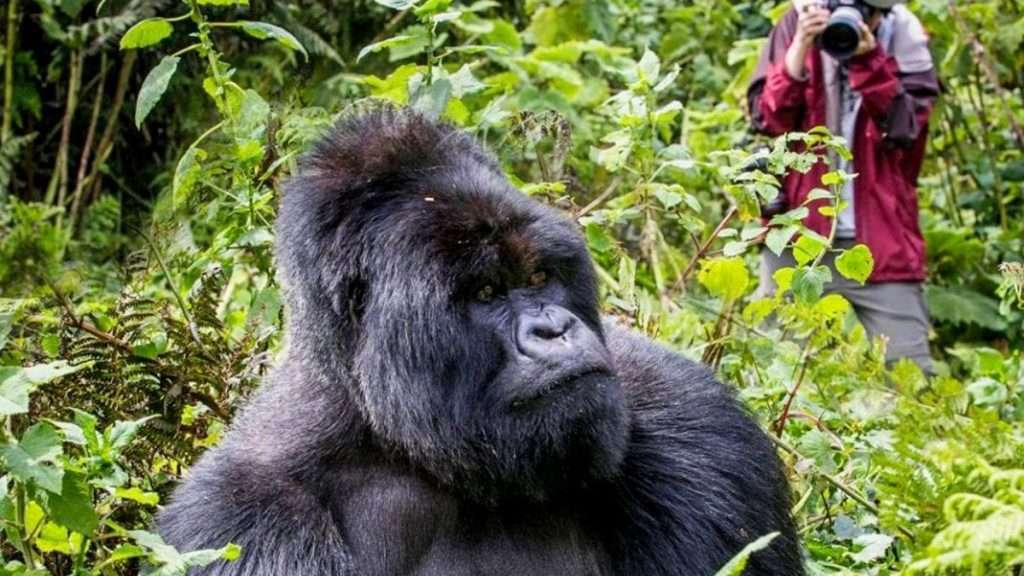
Uganda, often called the “Pearl of Africa,” is a premier destination for primate enthusiasts. While mountain gorilla trekking in Bwindi Impenetrable National Park or Mgahinga Gorilla National Park steals much of the spotlight—and rightfully so, with its intimate encounters with these majestic, endangered giants—adding chimpanzee trekking to your itinerary elevates the experience to another level. It’s not just about seeing more primates; it’s about deepening your connection to our evolutionary roots and immersing yourself in the vibrant, dynamic world of our closest living relatives.
Our Closest Relatives: The Fascinating World of Chimpanzees
Chimpanzees share approximately 98.7% of their DNA with humans, making them our nearest cousins in the animal kingdom (along with bonobos). Observing them in the wild offers profound insights into behaviors that mirror our own: complex social structures, tool use (like fashioning sticks to fish for termites), problem-solving, hunting cooperatively, and even emotional expressions such as joy, grief, and conflict resolution. These parallels remind us of our shared ancestry, dating back about 6-7 million years, and foster a sense of humility and wonder. While gorilla trekking provides serene, family-oriented moments with these gentle herbivores, chimp encounters are energetic and unpredictable—filled with hoots, screams, and acrobatic displays that feel exhilaratingly familiar.
Kibale National Park: Uganda’s Primate Capital
For chimpanzee trekking, head to Kibale National Park in western Uganda. Known as the “Primate Capital of the World,” Kibale boasts the highest density and diversity of primates in East Africa—13 species in total. The star attraction is its large population of habituated chimpanzees (over 1,500 individuals across several communities), but you’ll likely spot others along the way:
- Black-and-white colobus monkeys
- Red-tailed monkeys
- Olive baboons
- Grey-cheeked mangabeys
- L’Hoest’s monkeys
- Blue monkeys
- Ugandan red colobus (endemic and endangered)
- And occasionally, nocturnal species like galagos (bushbabies) or potto.
The park’s moist evergreen forest also supports over 350 bird species and diverse flora, making it a biodiversity hotspot.
What Happens During a Chimpanzee Trek
Chimp trekking in Kibale is an adventure from start to finish. You need to book a chimpanzee trekking permit, and they cost either $250 for a normal trek or $300 for a chimpanzee habituation trek. The habituation trek sets out earlier and in a smaller group. As you go out early, you will see the chimps come down from their nests to forage and may have closer encounters on the ground. Here’s a typical experience:
- Briefing and Preparation: Treks begin early (around 8 AM or 2 pm afternoon slots) at the park headquarters in Kanyanchu. Rangers provide a safety briefing: maintain a 8-10 meter distance, no flash photography, wear long pants and sturdy boots for the muddy terrain, and masks are often required to prevent disease transmission.
- The Hike: Guided by experienced trackers and rangers (who monitor chimp movements daily), you’ll venture into the forest. Treks last 2-6 hours, depending on where the chimps are—sometimes they’re close to the trailhead, other times deeper in. The terrain is undulating with vines, roots, and streams, so moderate fitness is recommended.
- The Encounter: Once located (success rate is over 90% for habituated groups), you get one magical hour with the community. Chimps might be foraging on the ground, grooming each other, playing, or swinging through the canopy at breakneck speed. Their vocalizations—pant-hoots echoing through the forest—are spine-tingling. Unlike the calmer gorillas, chimps are boisterous and social, offering raw, unfiltered glimpses into their daily lives.
- Optional Add-Ons: For a more immersive experience, opt for the full-day Chimpanzee Habituation Experience (CHEX), where you spend the entire day with researchers habituating a semi-wild group—perfect for photographers and serious wildlife lovers.
Why It’s So Rewarding
Adding chimp trekking to your Uganda trip isn’t redundant; it’s complementary. Gorillas offer tranquility and power, while chimpanzees deliver energy, intelligence, and relatability. Together, they paint a fuller picture of primate diversity and our place in nature. The thrill of anticipation during the search, the rush of discovery, and the reflective moments afterward make it profoundly rewarding. Plus, your permit fees directly support conservation and local communities.
If you’re planning a Uganda safari, don’t stop at gorillas—embrace the charisma of chimpanzees in Kibale. It’s an experience that will leave you with stories, photos, and a deeper appreciation for our wild kin. Safe travels and happy trekking!








 +254-722-338 514
 +254-702-183 169