
Imagine a railway line so audacious, so fraught with peril and controversy, that it earned the nickname “Lunatic Express.” This wasn’t just a train track; it was a bold imperial gamble that reshaped an entire nation.
A Brief History of the Lunatic Express
The story begins in the late 19th century, when the British Empire sought to connect the port city of Mombasa on Kenya’s east coast to the eastern shore of Lake Victoria. The goal was to secure control over the Nile River and thwart French colonial ambitions in the region. Construction of what would become the Kenya-Uganda Railway kicked off in 1896 under the direction of engineer George Whitehouse.
Spanning roughly 1,000 kilometers, the project navigated brutal terrain: a desolate, waterless stretch near Tsavo, vast savannas teeming with lions and mosquitoes, the dramatic drop of the Great Rift Valley, and marshy lands near the lake.
The nickname “Lunatic Express” stemmed from fierce criticism in the British press over the project’s staggering costs and human suffering. It was later immortalized in Charles Miller’s 1971 book, The Lunatic Express: An Entertainment in Imperialism. Materials poured in from abroad—200,000 rails, 1.2 million sleepers, and countless components for locomotives and wagons—turning Mombasa into a bustling modern port.
Challenges abounded. Local tribes, especially the Nandi, resisted fiercely, leading to brutal conflicts where thousands were killed before they surrendered. The workforce, largely 37,000 laborers recruited from British India, faced malaria, dysentery, extreme heat, and dust storms, with half incapacitated in the first year alone.
The most infamous episode occurred in 1898 at the Tsavo River bridge: two man-eating lions terrorized workers for ten months, claiming over 100 lives and halting construction until the beasts were finally hunted down.
In total, 2,500 workers perished—about four per mile of track—and the final cost ballooned to $9 million, far exceeding the $5 million estimate. Parliamentary opposition was vocal, with figures like Henry Labouchère penning satirical poems decrying it as a “lunatic line.” Yet, by the early 1900s, the railway was complete, profoundly transforming Kenya. It opened the interior to British settlement and trade, effectively “creating a country,” as noted by Charles Eliot.
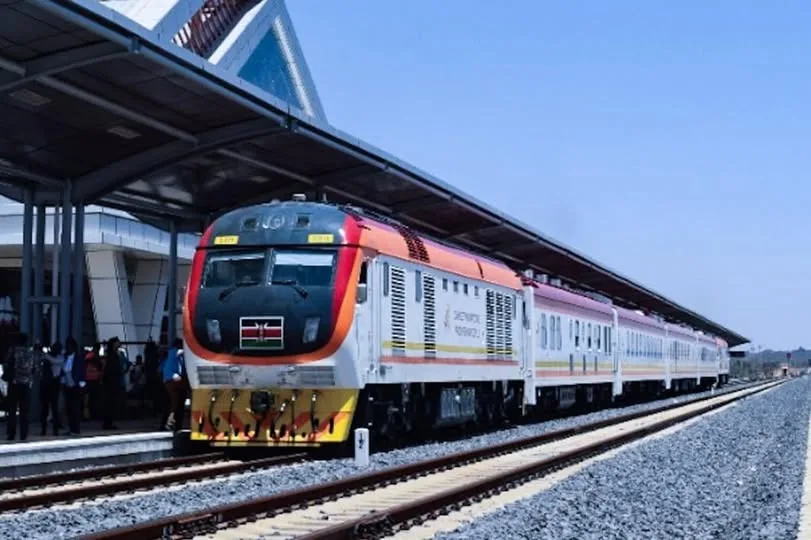
Following the Tracks Today: Adventure Expeditions’ Historic Railway Journey
While the original steam-powered Lunatic Express has long been replaced by modern rail and the famous old line has largely given way to the newer Standard Gauge Railway, the historic route still inspires remarkable travel experiences. Adventure Expeditions offers clients the chance to travel in the tracks of this legendary railway through carefully curated itineraries that blend history, wildlife, and adventure.
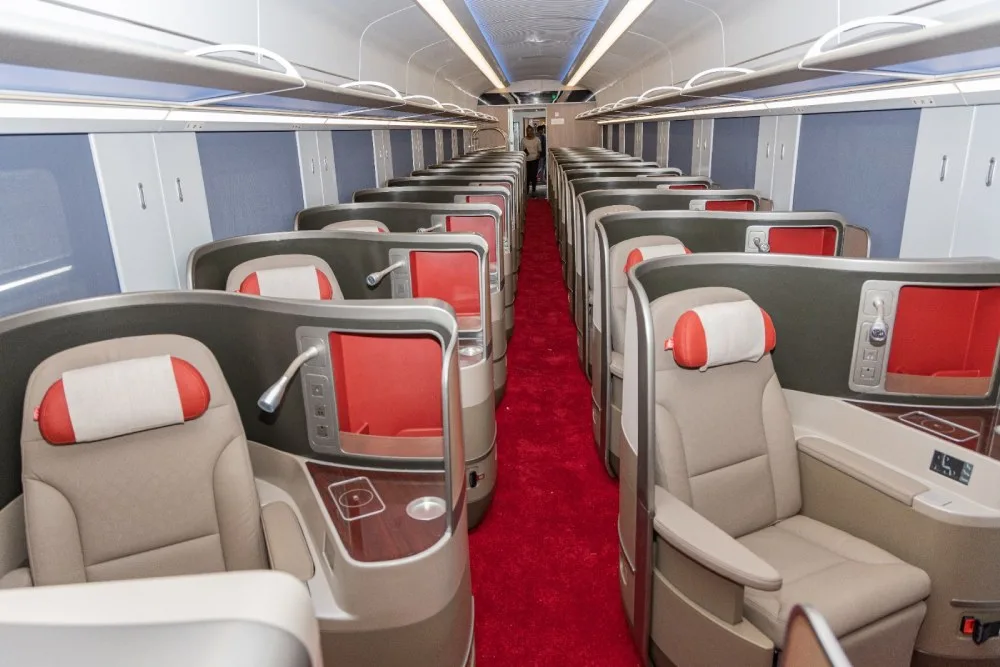
One standout option is their specially designed journey that follows key segments and landmarks of the original railway line. This itinerary takes travelers from the coastal charm of Mombasa, through the dramatic landscapes that once challenged engineers and workers, into the heart of Kenya’s wildlife-rich interior. Highlights include:
- Exploring the sites of historic railway construction and the famous Tsavo region, forever linked to the man-eating lions story
- Crossing sections of the Great Rift Valley with its breathtaking escarpments
- Visiting settlements and landscapes that owe their existence to the arrival of the railway
- Combining rail heritage with classic Kenyan safaris, cultural encounters, and scenic beauty
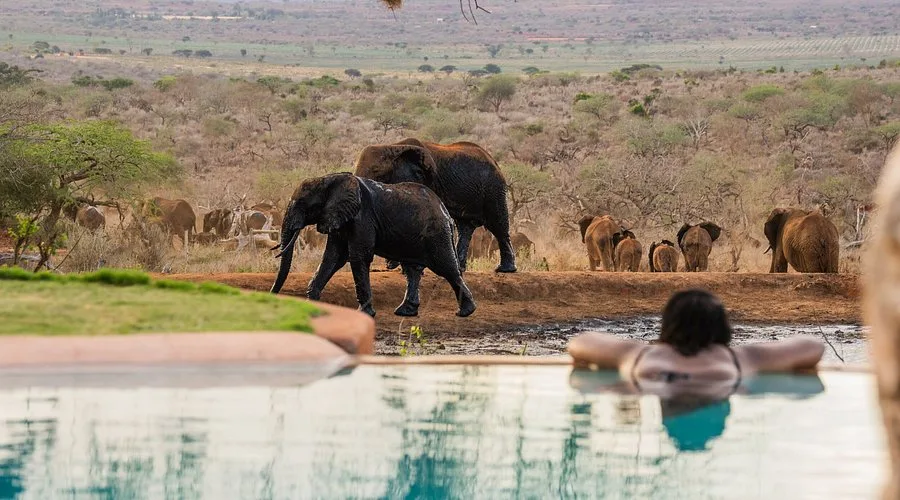
For full details, including day-by-day breakdowns, accommodations, and inclusions, visit the itinerary overview here: https://wetu.com/Itinerary/Overview/24f79429-dced-42fd-abbf-12e802875c08
Whether you’re a history enthusiast, a railway buff, or simply someone who loves epic African adventures, retracing the path of the Lunatic Express offers a unique way to experience Kenya’s past and present in one unforgettable journey. An added bonus is that railway travel is one of the most sustainable ways to travel and offers a wonderful opportunity to take in the scenery.






 +254-722-338 514
 +254-702-183 169